
Tactical Excellence: Why First Responders in Dallas Need Jiu-Jitsu
For those who serve as police officers, firefighters, or military personnel, the ability to handle a physical confrontation safely and effectively is not just a skill—it is a necessity. The nature of the job often requires controlling an individual without resorting to lethal force or causing unnecessary injury. This is why Brazilian Jiu-Jitsu (BJJ) has become the gold standard for tactical training. At Carlson Gracie DFW, we provide a specialized environment where Dallas heroes can develop the “force multiplier” skills needed to stay safe on the streets and maintain composure in the most high-pressure situations.
discover carlson gracie in lewisville
1. Tactical Control and Subject Compliance
The primary goal for law enforcement and security professionals is to achieve compliance with minimal harm. Traditional striking-based martial arts can be high-risk and high-liability in a professional setting.
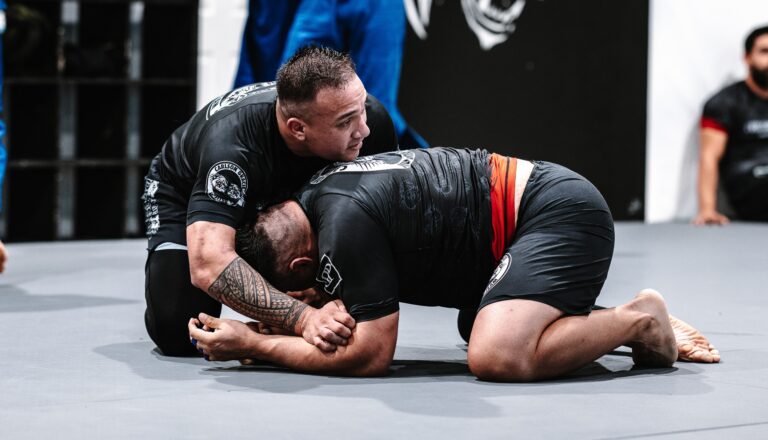
Leverage Over Impact: BJJ teaches you how to use leverage and positioning to control a subject’s movement. This allows you to neutralize a threat and apply restraints (like handcuffs) safely.
Reducing Liability: Because BJJ focuses on grappling and control rather than striking, it significantly reduces the risk of excessive force complaints. It provides a “middle ground” in the force continuum that is both effective and defensible in court.
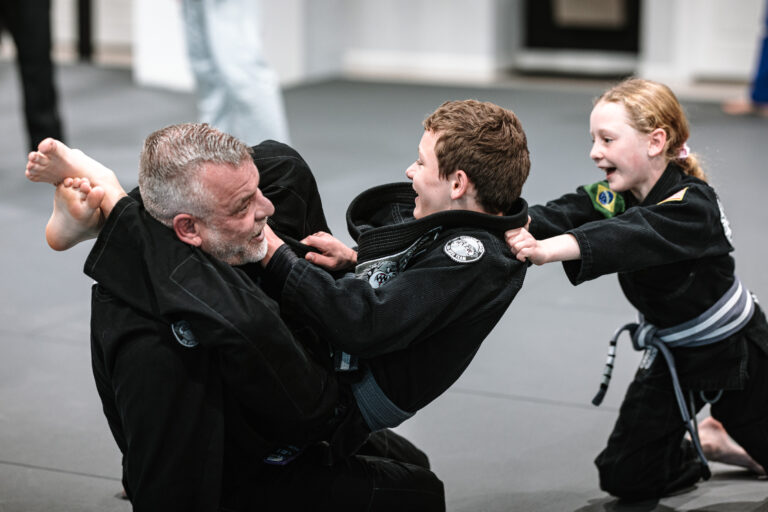
Size Neutralization: In many encounters, a first responder may be smaller than the subject. Self-defense techniques in Jiu-Jitsu are specifically designed to allow a smaller person to control a larger, stronger aggressor.
2. Stress Inoculation and Mental Clarity
In a crisis, the body’s natural fight-or-flight response kicks in, which can lead to tunnel vision and a loss of fine motor skills. Jiu-Jitsu provides “stress inoculation.”
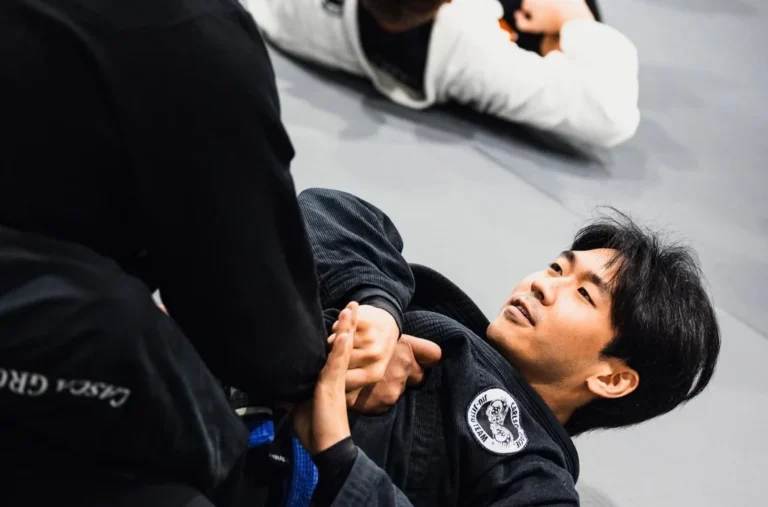
Thinking Under Pressure: Sparring, or “rolling,” is a form of simulated combat. By regularly practicing in a high-stress, resisting environment, first responders learn to keep their heart rate down and their minds clear.
De-escalation Through Confidence: A person who knows they can handle themselves physically is much less likely to panic. This quiet confidence often allows an officer to remain calm and use verbal de-escalation techniques more effectively, preventing a situation from turning violent in the first place.
3. Physical Longevity and Functional Fitness
The physical demands of being a firefighter or a soldier are immense. Carrying heavy gear and performing explosive movements can take a toll on the body.
Functional Strength: BJJ builds “grappling strength”—the kind of power needed to move a resisting body or drag a person to safety.
Injury Prevention: The mobility and core stability developed in our martial arts programs help protect the joints and spine, which is crucial for professionals who spend long hours on their feet or wearing heavy vests.
4. A Supportive Community for Mental Health
First responders face high levels of occupational stress and trauma. The mats provide a unique space for mental decompression.
The “Third Place”: The academy serves as a sanctuary away from the stresses of the job. It’s a place to unplug, focus on a difficult skill, and get a great workout.
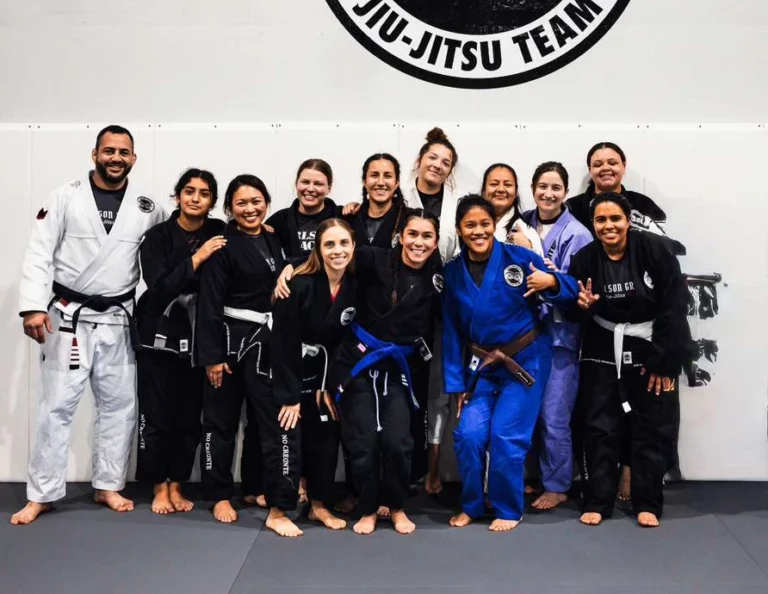
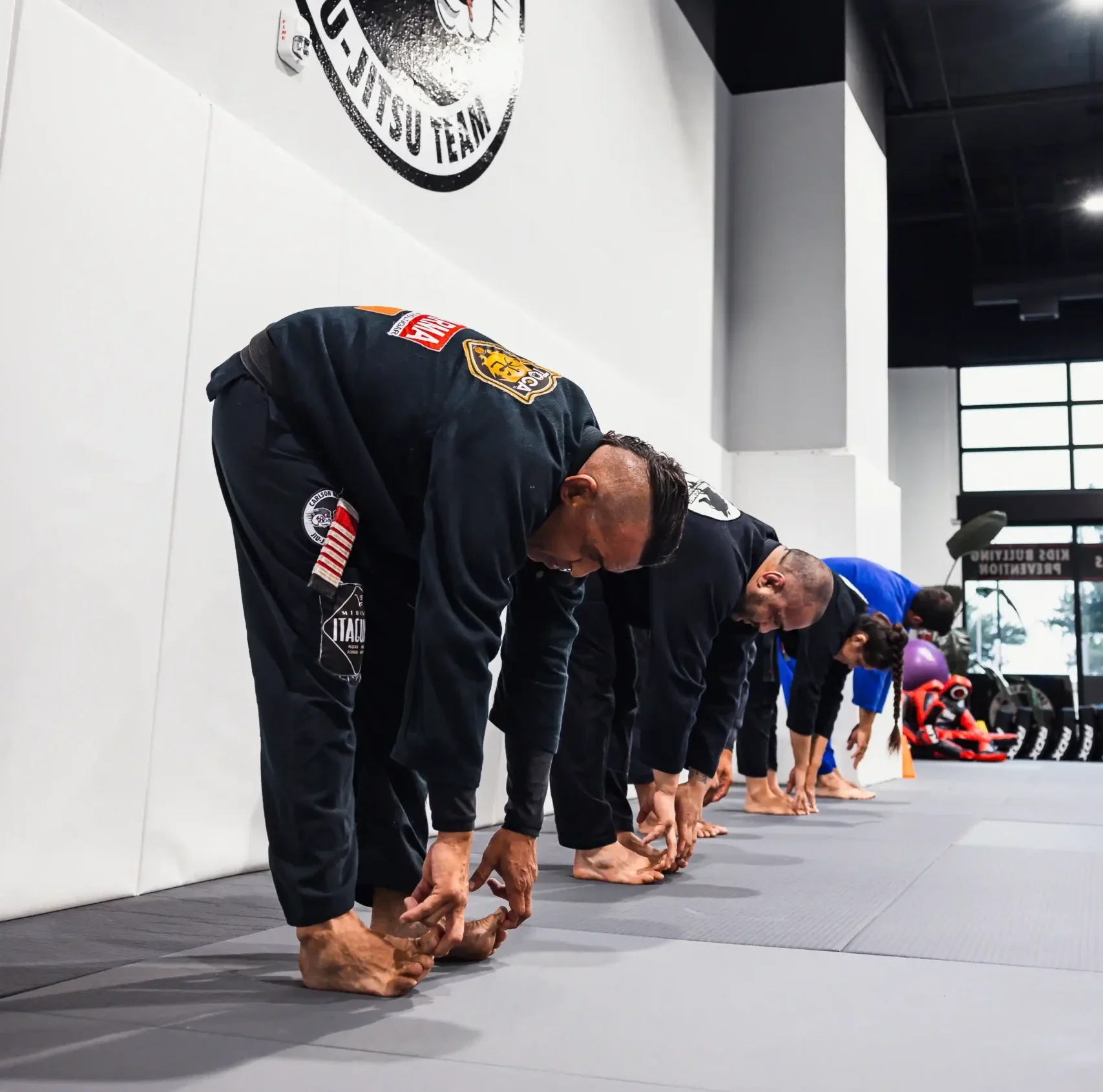
Shared Bond: At our Dallas academy, you will find a community of like-minded individuals, including many other first responders. This shared understanding and camaraderie are vital for maintaining mental wellness and resilience.
Train with the Best in the DFW Area
The Carlson Gracie lineage has a long history of training elite police and military units worldwide. We understand the specific needs of those who serve and offer a curriculum that prioritizes practical, high-percentage techniques that work in real-world tactical scenarios.
discover carlson gracie in lewisville
If you are a member of the military, law enforcement, or a first responder in the Dallas area, we invite you to enhance your tactical toolkit. Join us for a class and discover how Jiu-Jitsu can make you more capable, more confident, and safer on the job.