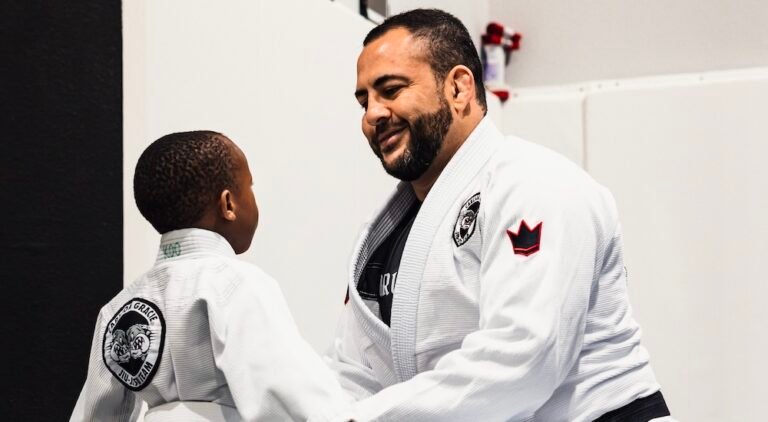


You Got Your Blue Belt… Now What?
Earning your Blue Belt in Brazilian Jiu-Jitsu is a monumental achievement. It typically marks the end of the beginner phase, signifying that you have survived the initial learning curve, mastered the fundamental movements, and proven your dedication to the art. For many students in Dallas, it is a moment of immense pride.
discover carlson gracie in lewisville
1. The Target on Your Back
As a white belt, you were the underdog. If you tapped someone out, it was a hero’s victory; if you got tapped, it was expected.
When you tie on that blue belt, the expectations flip.
Hungry White Belts: Every white belt in the academy now sees you as a trophy. They want to prove they are ready for their own promotion by tapping out a blue belt. You will feel their intensity increase.
Upper Belts Stop Being Nice: Purple, brown, and black belts who might have “played nice” or let you work during rolls will now take the kid gloves off. They respect your rank enough to use their A-game, which can feel like you’ve suddenly gotten worse, even though you’ve actually improved.
2. The “Blue Belt Blues”
Statistically, Blue Belt is the rank where most people quit. This phenomenon is so common it has a name: “The Blue Belt Blues.”
Why does this happen?
The Plateau: In the beginning, learning is linear. You learn a move, you use it, you see results. At blue belt, progress becomes harder to measure. You might train for months and feel like you haven’t gotten any better because your defense is improving incrementally rather than learning flashy new moves.
The Pressure: The pressure to perform can be overwhelming. You feel like you shouldn’t lose to white belts anymore, which can create anxiety about sparring.
The cure for the blues is consistency. Accept that bad days are part of the process. Remember that training at our Dallas academy is about personal growth, not winning every gym roll.
3. Shifting from Survival to Exploration
The white belt phase is largely about survival—keeping your arms in, protecting your neck, and escaping bad positions.
At blue belt, the conversation changes. You have the defensive tools to stay safe, which grants you the freedom to explore.
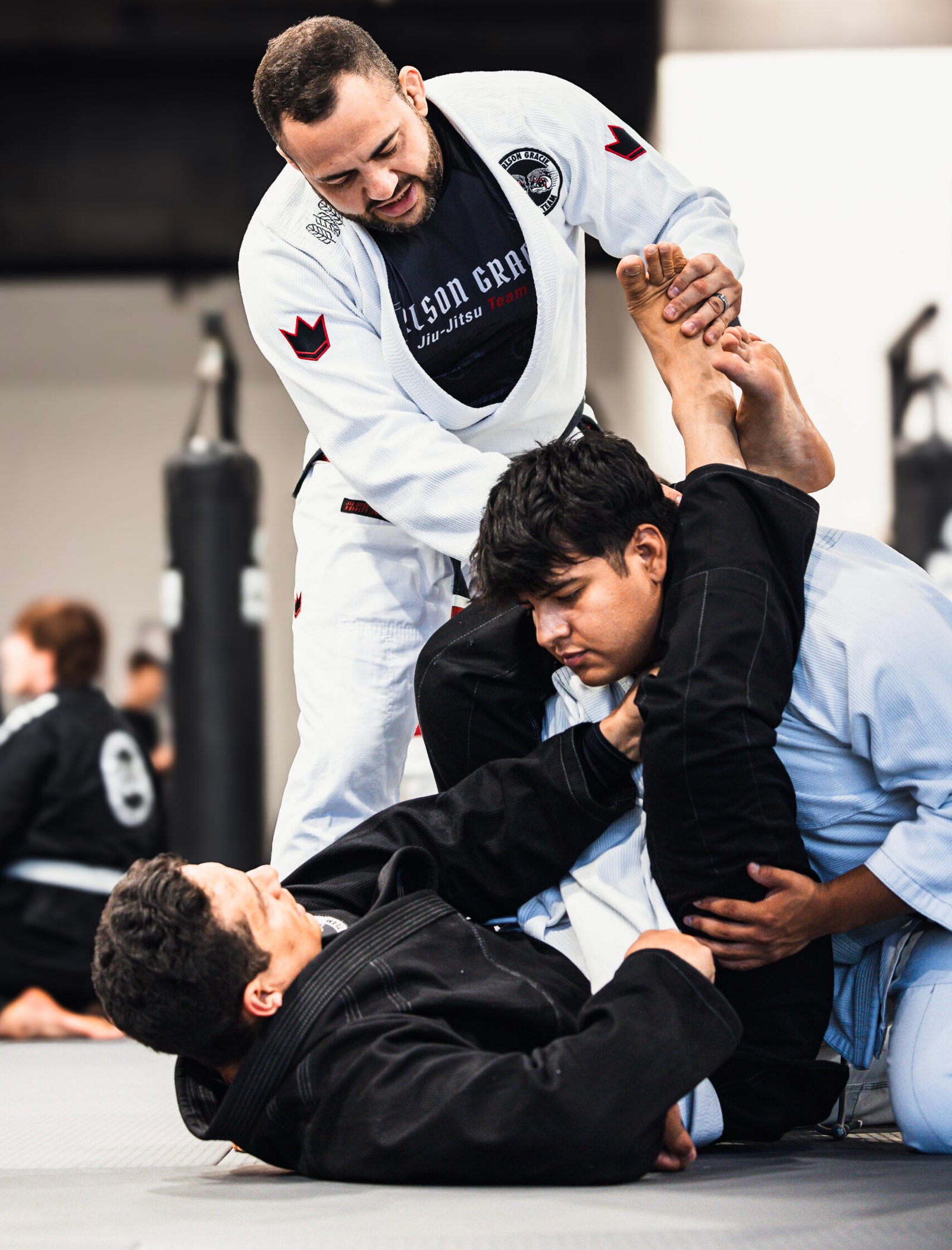
Building Your Game: This is the time to start experimenting with different guards and passing styles. You start to discover what techniques work best for your body type.
Chain Wrestling: You stop thinking in single moves (“I will try an armbar”) and start thinking in combinations (“I will fake the sweep to set up the armbar”).
4. You Become a Mentor
Whether you realize it or not, you are now a leader on the mats. New students will look to you for guidance on warm-ups, drills, and etiquette. Helping them isn’t just a responsibility; it’s a way to deepen your own understanding. As the saying goes, “to teach is to learn twice.”
Stay the Course
The jump from white to blue is significant, but the journey from blue to purple is where true grapplers are forged. It requires grit, humility, and a love for the process.
discover carlson gracie in lewisville
If you are struggling with your new rank or just looking to start your journey, remember that every black belt is just a white belt who never quit. Join us on the mats and keep moving forward.