

How Many Classes a Week Do You Really Need?
One of the first questions new students ask is how often should you train BJJ to see real progress. For people in Lewisville balancing work, family, and other commitments, the answer depends on a few simple factors.
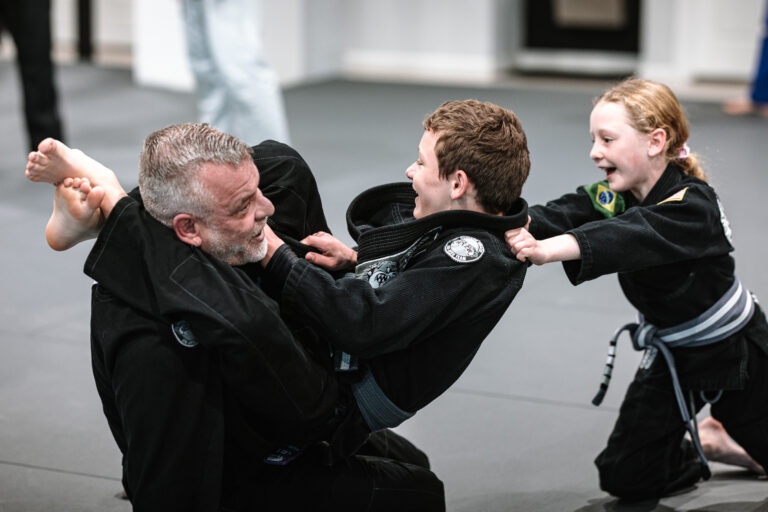
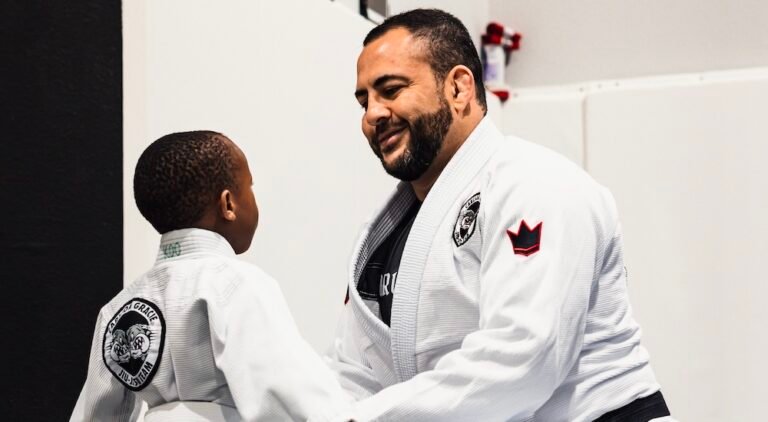
At Carlson Gracie Lewisville, new members ages 13 and up start in the adult Fundamentals class, which introduces Brazilian Jiu-Jitsu step by step. This guide helps you find a weekly routine you can actually keep.

DISCOVER CARLSON GRACIE LEWISVILLE
CLICK HEREWhat Shapes Your Ideal Training Frequency
There is no single number that fits everyone. Deciding how often should you train BJJ starts with an honest look at your body, your calendar, and what you want from the mats.
Your Current Fitness Level
If you have been inactive for a while, your body needs time to adapt to grappling. Starting with fewer classes lets your muscles and joints adjust without constant soreness.
Most students feel the biggest physical adjustment during their first month of Jiu-Jitsu. Once that phase passes, adding another class each week usually feels much more manageable.
Your Weekly Schedule
A plan only works if it fits your real life. Look at your work hours, family time, and commute, then pick class times you can attend without constant stress.
Two classes you never miss are worth more than four you keep skipping. Build around the days that stay predictable, and treat extra sessions as a bonus.
Your Age and Recovery Needs
Recovery time often changes as we get older. Adults in their thirties, forties, and beyond may need more rest between hard sessions to stay healthy and motivated.
If you are starting BJJ after 40, a slower build is often the smarter path. Pay attention to how your body feels the day after class and adjust from there.
Your Personal Goals
Someone training for fitness and stress relief has different needs than someone preparing for a tournament. Your goals should guide how much time you put on the mats.
Write down why you started. Coming back to that reason helps you choose a routine that matches what you want instead of copying someone else's schedule.
How Often Should You Train BJJ at Each Stage
Training frequency usually grows as your skills and conditioning improve. These general ranges can help you plan, though your instructor can always help you adjust.
Two Classes a Week to Start
For most beginners, two classes per week is a solid starting point. It gives you regular practice while leaving enough time to recover and absorb what you learned.
At this pace, techniques stay fresh from one class to the next. You also build the habit of showing up, which matters more than anything else early on.
Three to Four Classes as You Build Up
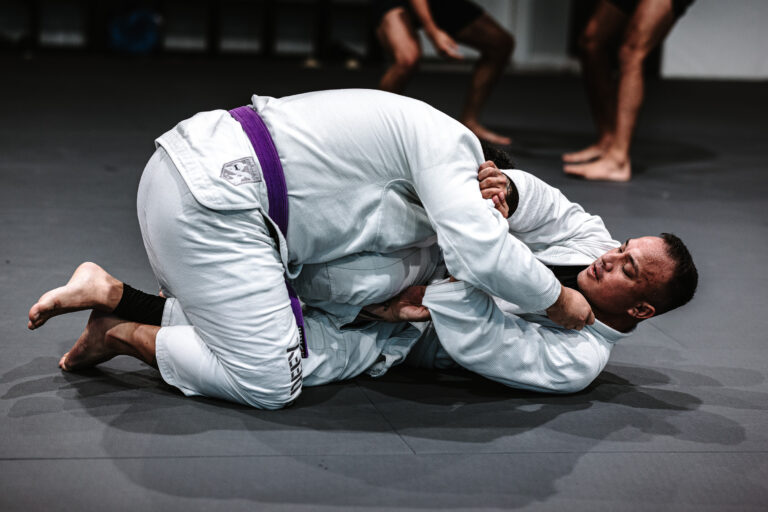
Once your body adapts and the basics start to make sense, three or four classes per week can speed up your learning. Many dedicated hobbyists settle into this range.
More sessions mean more repetitions and more chances to try techniques in live rounds. Keep at least one or two full rest days so the extra volume does not wear you down.
Five or More for Competitors
Students preparing for tournaments often train five or more times per week, sometimes adding conditioning work. This level demands careful attention to sleep, nutrition, and recovery.
If you are thinking about competition BJJ training, talk with your instructor first. They can help you plan the increase so you peak at the right time instead of burning out.
Getting the Most from Every Session
How you train matters as much as how often you train. A few habits help every class count, no matter how many you attend each week.
Focus on Quality Over Quantity
Arriving tired and distracted limits what you take away from class. Showing up focused, even fewer times per week, often leads to better learning than rushing through extra sessions.
Pick one idea to work on each class. Small, focused goals keep you engaged and make your progress easier to notice over time.
Prepare Your Body Before Class
Your body handles frequent training much better when it is properly prepared. Loose hips, shoulders, and neck reduce strain during drills and live rounds.
Understanding the importance of a proper warm-up helps you take that part of class seriously. Arriving a few minutes early to move is a simple habit worth keeping.
Treat Rest Days as Part of Training
Rest days are when your body repairs and adapts. Skipping them for too long often leads to nagging aches, low energy, and less enjoyment on the mats.
Light activity like walking or stretching on off days keeps you moving without adding stress. Good sleep and hydration support recovery between sessions too.
Building a Routine You Can Keep
The best answer to how often should you train BJJ is the number you can repeat week after week. Start with two classes, stay consistent for a month or two, then add more if your body and schedule allow.
Students at Carlson Gracie Lewisville can review the class schedule to pick the days and times that fit their routine best.
Consistency Beats Intensity
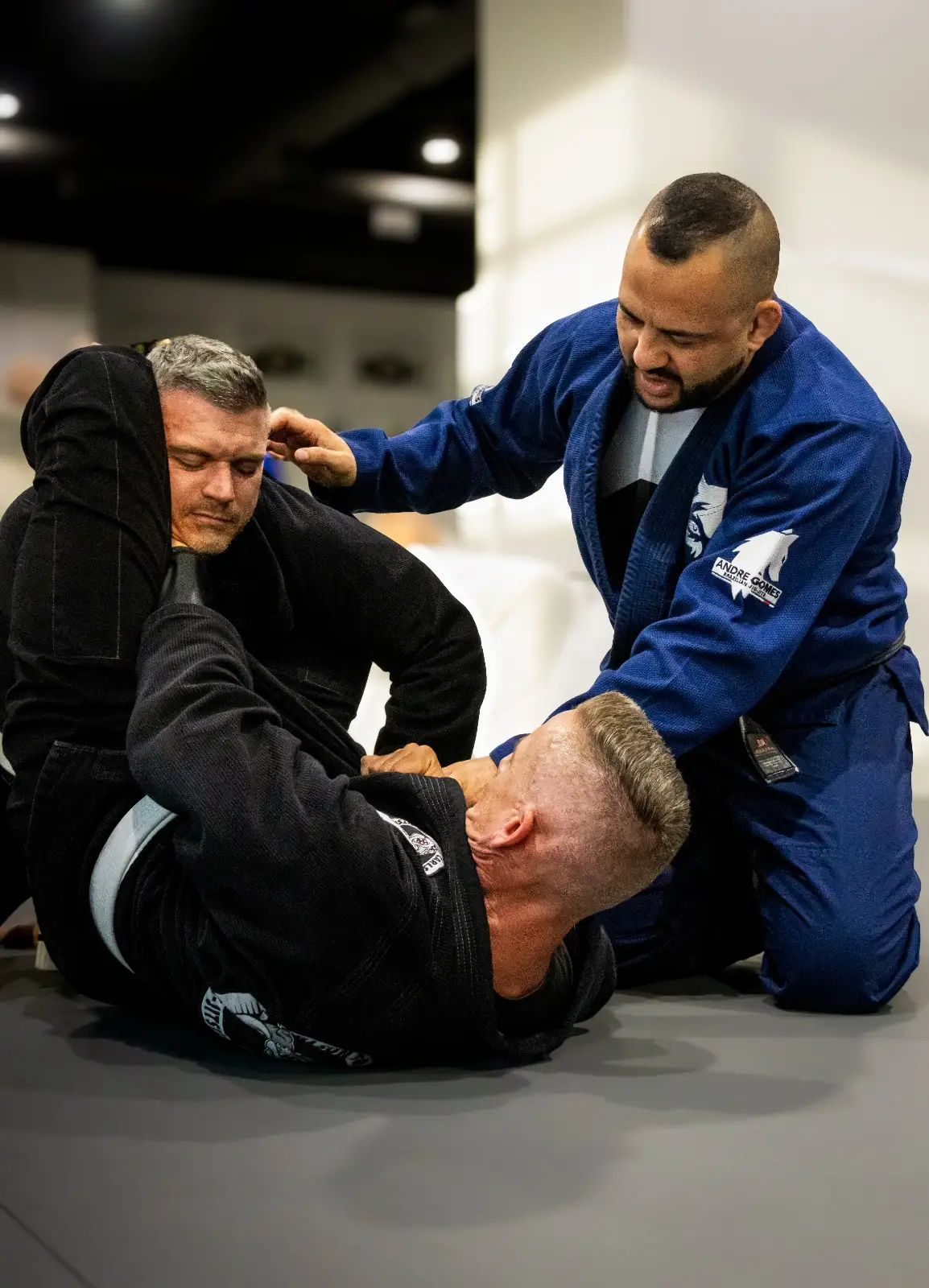
A smart routine comes down to a few choices: match your schedule, respect your recovery, build up gradually, and focus on getting something useful out of every class.
Regular training also helps outside the academy. Many adults connect a steady routine with stress relief and mental focus during busy work weeks.
DISCOVER CARLSON GRACIE LEWISVILLE
CLICK HEREFind Your Rhythm on the Mats
Knowing how often should you train BJJ is less about a perfect number and more about steady habits. Start small, stay consistent, and let your routine grow with your skills.
If you live in Lewisville or nearby communities like Plano, Highland Village, Frisco, or Little Elm, Carlson Gracie Lewisville welcomes new students ready to find a training rhythm that works for them.