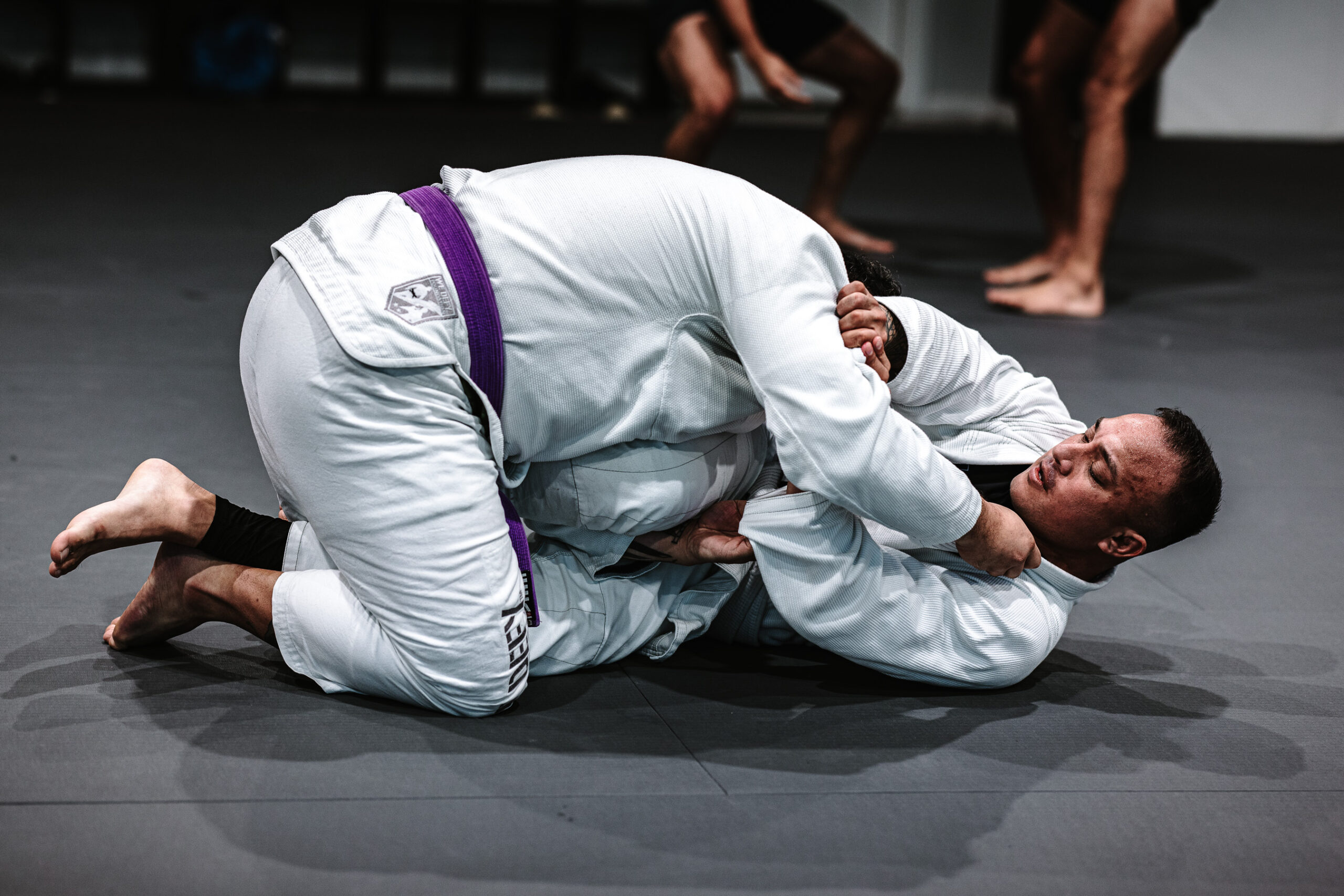
Why Grip Fighting Shapes Every Exchange
Every roll in the gi starts with a battle for grips, and learning how to break grips in BJJ keeps your opponent from dictating the pace. For students in Lewisville, it is a skill that pays off in every position.
At Carlson Gracie Lewisville, new members ages 13 and up can begin in the adult Fundamentals class, which introduces the core positions of Brazilian Jiu-Jitsu. This guide covers the common grips you will face and how to clear them.
DISCOVER CARLSON GRACIE LEWISVILLE
CLICK HEREUnderstanding the Grips You Face
Before you can learn how to break grips in BJJ, you need to recognize what each grip does. Different grips control different parts of your body, and knowing their purpose tells you which ones to clear first.
Collar Grips
A deep collar grip lets your opponent pull your head down, control your posture, and set up chokes. From guard or standing, it is often the most dangerous grip to leave alone.
Many beginners ignore collar grips during their first month on the mats. Building the habit of clearing them early prevents a lot of broken posture and surprise chokes.
Sleeve Grips
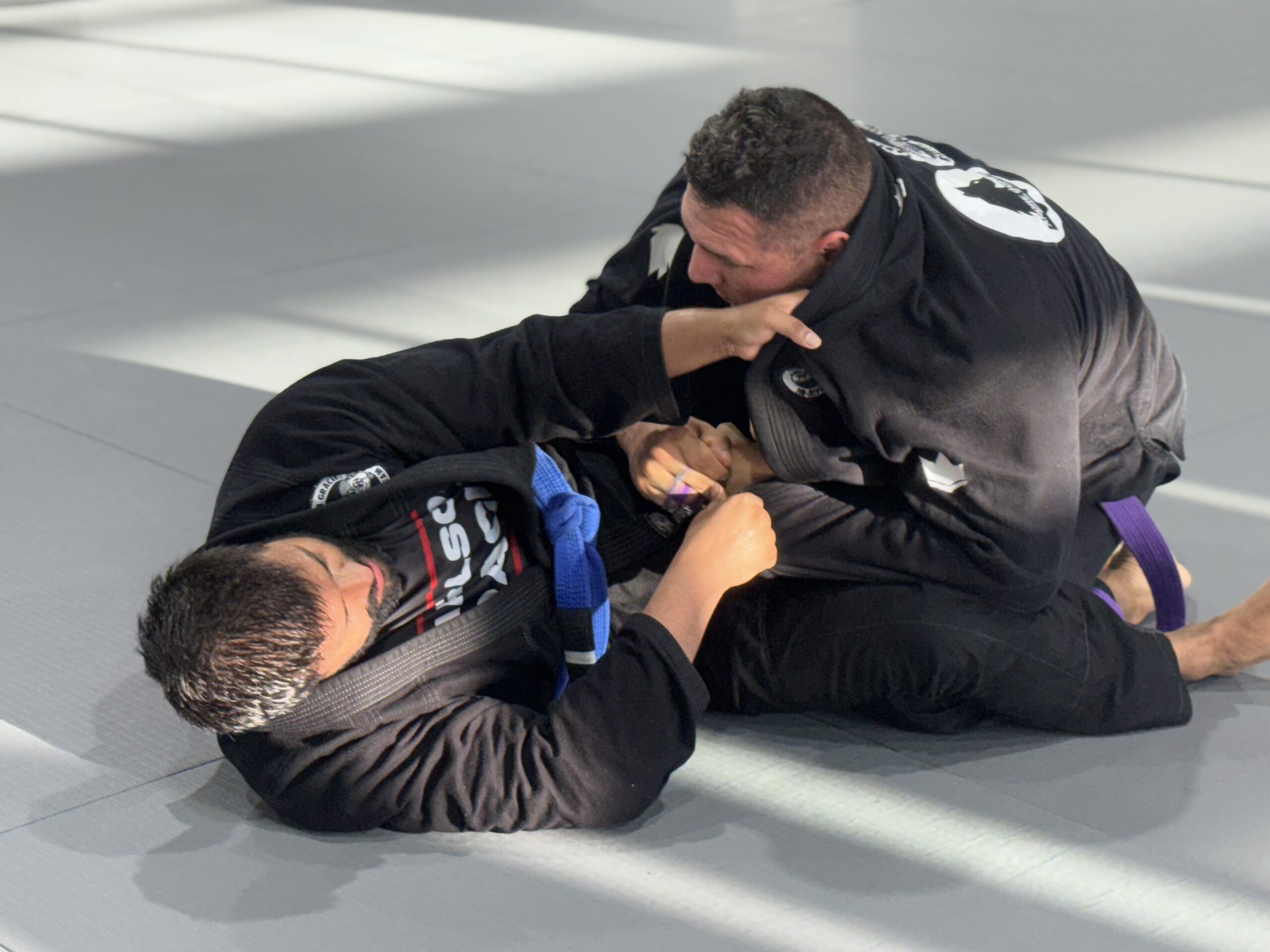
Sleeve grips control your arms. A partner holding your sleeve can stop you from posting, pull you off balance, or isolate an arm for sweeps and submissions.
Pay attention to grips at the cuff. When your opponent closes their fist inside the sleeve opening, the grip becomes very strong, so address it before it settles.
Pant and Belt Grips
Top players often grab the pants at the knee or the belt to control your hips while passing. These grips pin your legs and limit the movement you need to keep your guard.
If a passer keeps those grips and gets around your legs, you will likely face side control next. Knowing the basics of escaping side control gives you a backup when grip fighting fails.
Why Early Grips Matter
A grip that has just been taken is far easier to break than one held for several seconds. Once your opponent adjusts their fingers and posture, removing it takes much more effort.
Treat every new grip as something to address right away. Quick reactions save energy and stop your opponent from building their attack one grip at a time.
How to Break Grips in BJJ: Core Principles
Breaking grips depends more on angles, leverage, and timing than on hand strength. A few principles apply to almost every grip you will face.
Attack the Weak Point of the Grip
Every grip is weakest where the fingers meet the thumb. Pull or push in the direction of that opening rather than straight against the strongest part of the hand.
Tournament matches are often decided by grips before any technique begins. Anyone interested in competition BJJ training benefits from sharpening these angles early.
Use Two Hands Against One
When one grip is causing problems, attack it with both of your hands. A two-on-one break gives you far more leverage than trying to peel fingers off with a single hand.
Grab their wrist or sleeve with both hands and drive it in a clear direction. Once the grip pops loose, control that arm briefly so they cannot grab right back.
Combine the Break with Body Movement
Your hands should not work alone. Pulling your elbow back, turning your hips, or posturing up as you break makes the grip much harder for your opponent to hold.
For collar grips, many students push the wrist down while lifting their posture at the same time. Moving the body and hands together turns a struggle into a clean break.
Grip Fighting Habits That Keep You Ahead
Breaking a grip only solves part of the problem. The habits you build around grip fighting decide whether you stay in control of the exchange.
Replace a Broken Grip with Your Own
Every time you clear a grip, your opponent will try to reach again. Use that moment to take a grip of your own so they are the one reacting.
A break followed by your own grip moves you forward. A break followed by nothing usually puts you right back into the same problem a few seconds later.
Avoid Over-Gripping
Squeezing every grip as hard as possible drains your forearms within a few minutes. Tired hands make your grips weaker and your breaks slower for the rest of the round.
Hold firmly only when you need control, and relax your hands between exchanges. Efficient gripping keeps your energy available for the moments that matter.
Take Care of Your Fingers
Gi training puts a lot of stress on finger joints. When a grip is being ripped away at an awkward angle, letting go is often smarter than holding on and risking a sprain.
Some students tape their fingers for extra support during heavy grip training. If your hands stay sore, ask your instructor about safer grip choices.
How to Drill Grip Fighting
The most effective way to learn how to break grips in BJJ is through focused grip games. One partner takes a single grip while the other works to break it, then both switch roles.
As you improve, add more grips and let both partners fight at once. Students at Carlson Gracie Lewisville who want detailed feedback can book private Jiu-Jitsu lessons for one-on-one technical work.
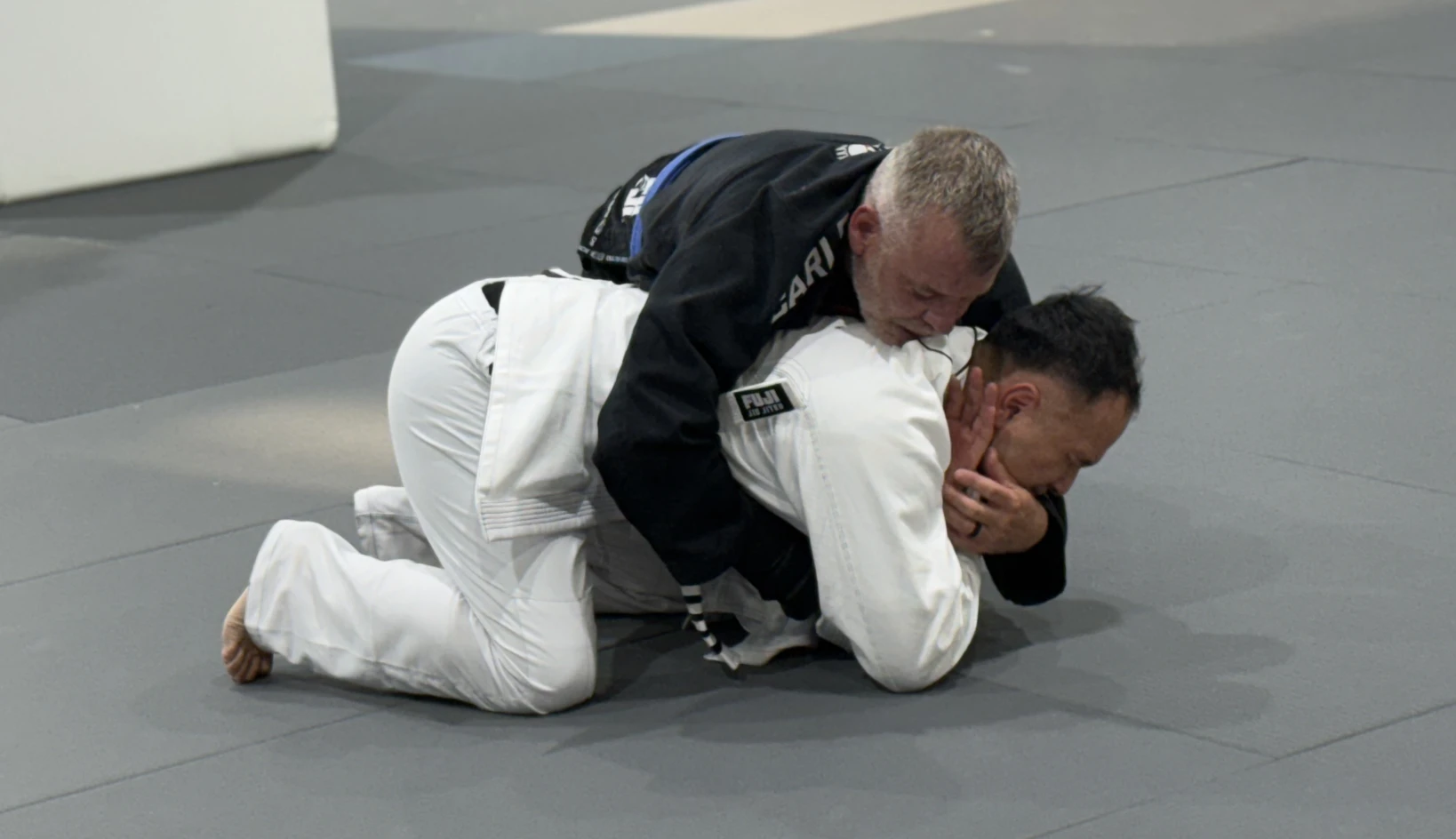
Putting Your Grip Fighting Together
Strong grip fighting follows a clear pattern: recognize the grip, break it early at its weak point, move your body with your hands, and replace it with a grip of your own.
Staying patient while someone tries to control you teaches you to act with purpose under pressure. It is one way training helps students build confidence and leadership off the mats.
DISCOVER CARLSON GRACIE LEWISVILLE
CLICK HEREWin the Grips, Shape the Roll
Knowing how to break grips in BJJ lets you decide where each exchange goes instead of reacting to your opponent. Keep drilling these principles and your grip fighting will keep improving.
If you live in Lewisville or nearby communities like Plano, Highland Village, Frisco, or Little Elm, Carlson Gracie Lewisville welcomes new students ready to step on the mat and build these skills.