
Why Mount Escapes Matter for Every Beginner
Being pinned under mount is one of the most stressful moments for new students, and learning how to escape mount in BJJ gives you a clear plan when it happens. For grapplers in Lewisville, this skill supports almost everything else you learn on the mat.
At Carlson Gracie Lewisville, new members ages 13 and up start in the adult Fundamentals class, which introduces the core positions of Brazilian Jiu-Jitsu. This guide breaks down the principles and techniques behind a reliable mount escape.
DISCOVER CARLSON GRACIE LEWISVILLE
CLICK HERESurvive First: Building a Safe Bottom Position
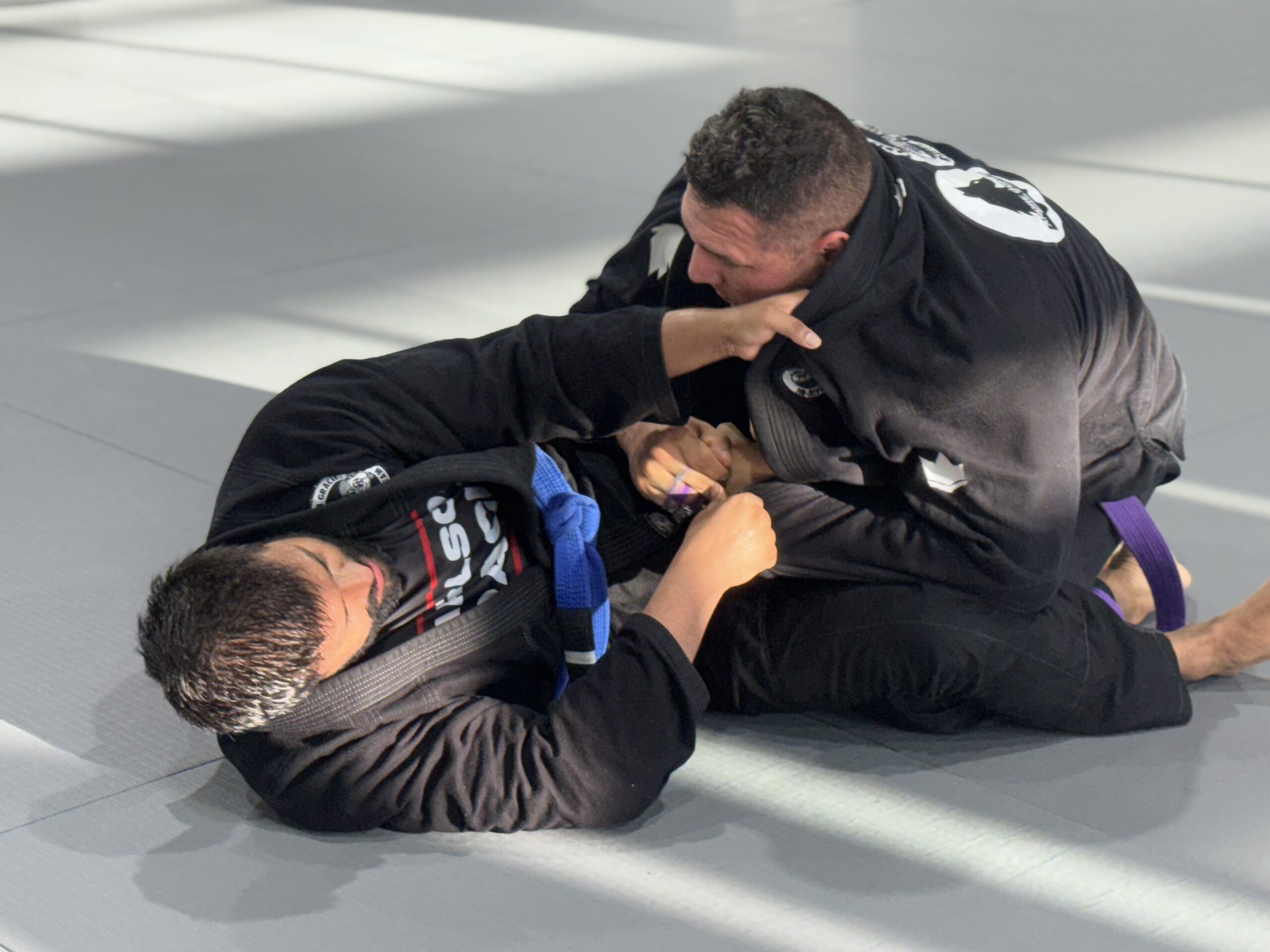
Before you think about how to escape mount in BJJ, you need to stop the damage. A safe defensive posture limits your opponent's attacks and buys the time you need to create movement.
Keep Your Elbows Tight to Your Ribs
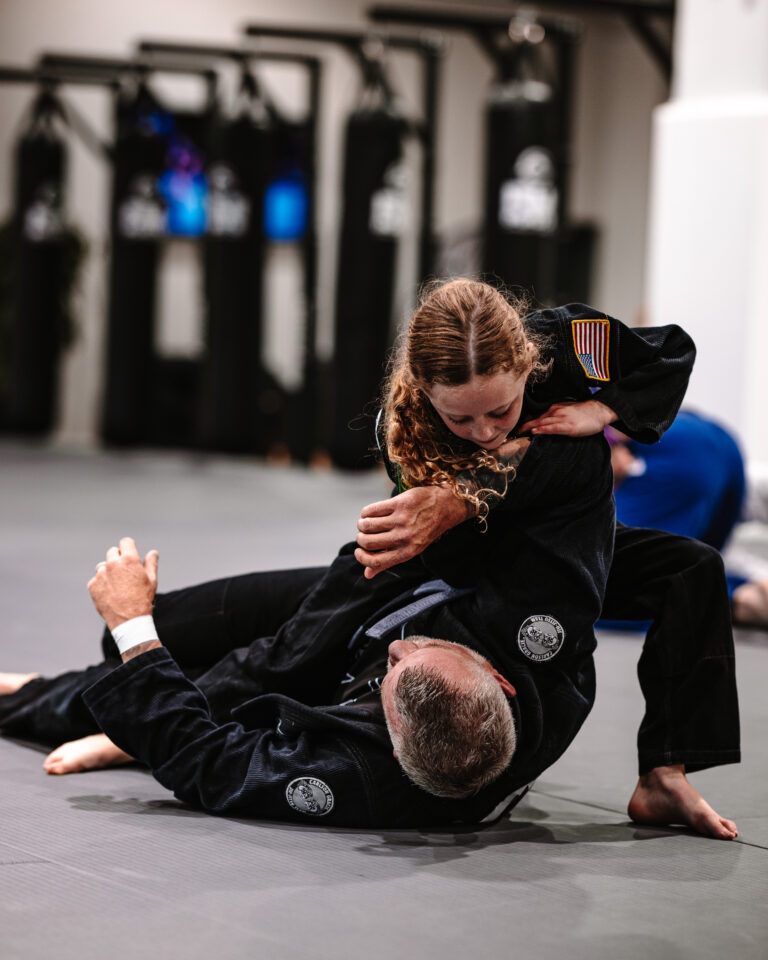
Your elbows are the first line of defense under mount. When they stay glued to your sides, your opponent has a much harder time climbing higher or isolating an arm for an armbar.
This is the same principle you rely on when escaping side control. Tight elbows let you frame against the hips and keep your structure intact while you wait for the right moment to move.
Protect Your Neck Before You Move
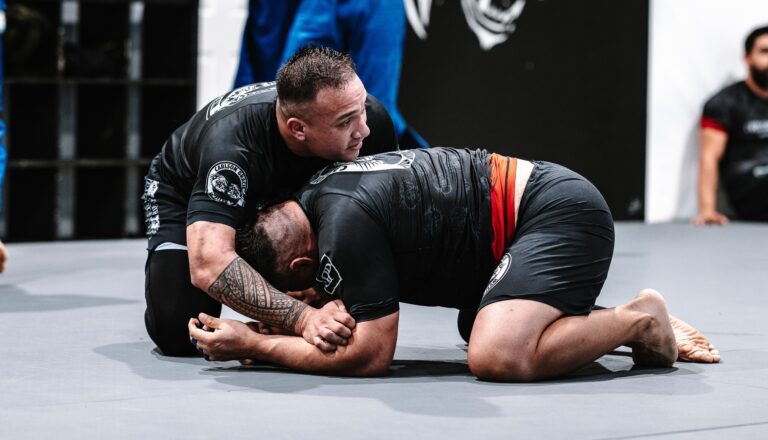
A mounted opponent often looks for collar chokes and arm triangles. Keep your chin tucked and keep one hand ready near your collar so you can block grips before they settle.
Avoid reaching for the opponent's head or gi with both hands. Every arm you extend away from your body becomes a target, so defend first and look for openings second.
Stop Pushing with Straight Arms
Pushing on the chest feels natural when someone is sitting on you, but it is one of the most common beginner mistakes. Extended arms are exactly what the person on top wants for an armbar.
Many new students notice this habit during their first month of Jiu-Jitsu. Replace pushing with framing: bent arms, forearms against the hips, and energy saved for the bridge.
Control Your Breathing Under Pressure
Panic burns energy fast. Under a heavy mount, take slow breaths through your nose and accept that the position is uncomfortable but manageable. A calm mind spots openings that a panicked one misses.
Exhale when your opponent shifts their weight, then reset your frames. Staying relaxed keeps you from exploding at the wrong time and giving up your back or an arm.
How to Escape Mount in BJJ: The Two Core Techniques
Most mount escapes taught to beginners fall into two families. One reverses the position with a bridge, while the other recovers your guard by creating space with your hips. Knowing both lets you react to what your opponent gives you.
The Trap and Roll (Upa)
To perform the trap and roll, control one of your opponent's arms at the elbow and step your foot over their leg on the same side. That blocks the post they would use to stop the roll.
Then bridge high toward the trapped side and roll into their guard. This escape appears at every level, including competition BJJ training, because it works against bigger opponents when the timing is right.
The Elbow-Knee Escape
The elbow-knee escape relies on hip movement instead of a full reversal. Frame against the hip, turn onto your side, and shrimp away so your knee can slide inside between your bodies.
Once the knee is in, trap their leg to reach half guard, then repeat on the other side for full guard. Small, steady hip movements matter more than strength here.
Choosing the Right Escape at the Right Time
The two techniques work best as a pair. If your opponent posts heavily on one side, the elbow-knee escape opens up. If they lean forward and reach for your neck, the trap and roll becomes available.
Reading these reactions takes patience, and that composure carries over into daily life. Learning to stay calm under pressure is one way training helps build confidence and leadership off the mats.
Handling Tougher Mount Situations
Experienced partners rarely stay in a basic low mount. They climb higher, switch angles, and hunt for submissions, so your escapes need adjustments for each version of the position.
Escaping a High Mount
When your opponent climbs toward your armpits, the elbow-knee escape becomes difficult because your hips are pinned. Focus first on pushing their knees back down toward your hips with your elbows and hands.
Once they slide lower, bridge into them to unbalance their base and return to your standard escapes. Trying to shrimp from a high mount usually wastes energy and exposes your arms.
Defending the S-Mount and Armbar Threats
The S-mount often appears right before an armbar. Your opponent turns to one side, places a knee near your head, and isolates the arm closest to them.
Hide that elbow, grab your own collar or wrist, and turn toward your opponent to keep the arm bent. Once the arm is safe, use their elevated position to slip your hips out and recover guard.
Using the Heel Drag to Recover Guard
The heel drag, sometimes called the foot drag, is a small detail that solves a big problem. After creating space with a shrimp, your leg may still be trapped under your opponent.
Drag your heel along the mat toward your hip, pulling the leg free from under their thigh. Then flatten the knee inward to lock half guard and keep building toward full guard.
How to Drill Mount Escapes Effectively
The most reliable way to learn how to escape mount in BJJ is repetition with gradual resistance. Start with cooperative drilling, then move to positional sparring where your partner begins in mount and tries to hold you.
Ask your instructor to watch your escapes and point out where your frames break down. Students at Carlson Gracie Lewisville who want focused feedback can also book private Jiu-Jitsu lessons for one-on-one technical work.

Putting Your Mount Escapes Together
A reliable mount escape works as a system: protect your elbows and neck, stay calm, frame instead of pushing, and choose between the bridge and the hips based on how your opponent reacts.
Patience on the bottom also trains the mind. The same focus that helps you survive a heavy mount is part of why many adults find stress relief and mental focus through regular training.
DISCOVER CARLSON GRACIE LEWISVILLE
CLICK HEREBuild Your Escape Game One Class at a Time
Knowing how to escape mount in BJJ turns one of the toughest positions into a manageable problem. Keep drilling the fundamentals, stay patient under pressure, and your comfort on the bottom will grow as you train.
If you live in Lewisville or nearby communities like Plano, Highland Village, Frisco, or Little Elm, Carlson Gracie Lewisville welcomes new students ready to step on the mat and start building these skills.