The Mechanics of Escaping Side Control
Few positions in Brazilian Jiu-Jitsu feel as demanding as being pinned underneath an opponent who understands how to apply heavy top pressure. Mastering how to escape side control in bjj is one of the most vital technical skills you will develop on the mats.
Rather than burning through your energy with frantic movements, successful escapes rely on structural bone frames and precise hip repositioning. At Carlson Gracie Lewisville in Lewisville, Texas, our curriculum breaks down defensive fundamentals into dependable, repeatable mechanics.

DISCOVER Carlson Gracie Lewisville
CLICK HEREStructural Framing Fundamentals Beneath Top Pressure
Surviving the bottom pin requires building solid structural barriers before initiating your movement. Without proper frame placement, every explosive escape attempt simply feeds more dominant control to your opponent.
Establishing the Near-Side Forearm Frame
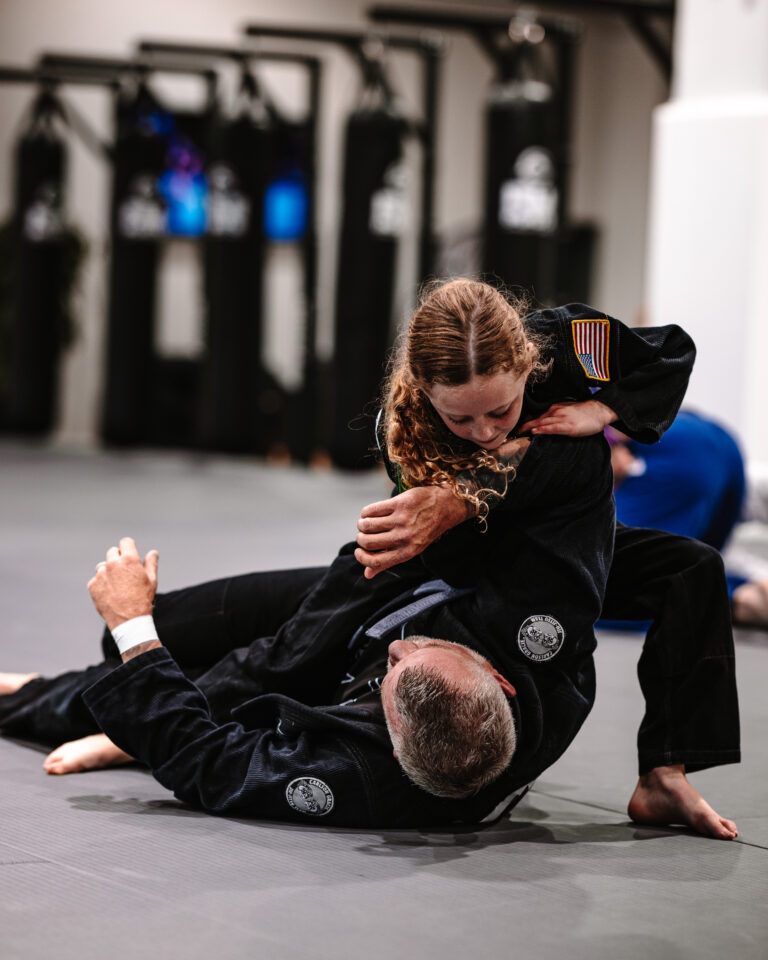
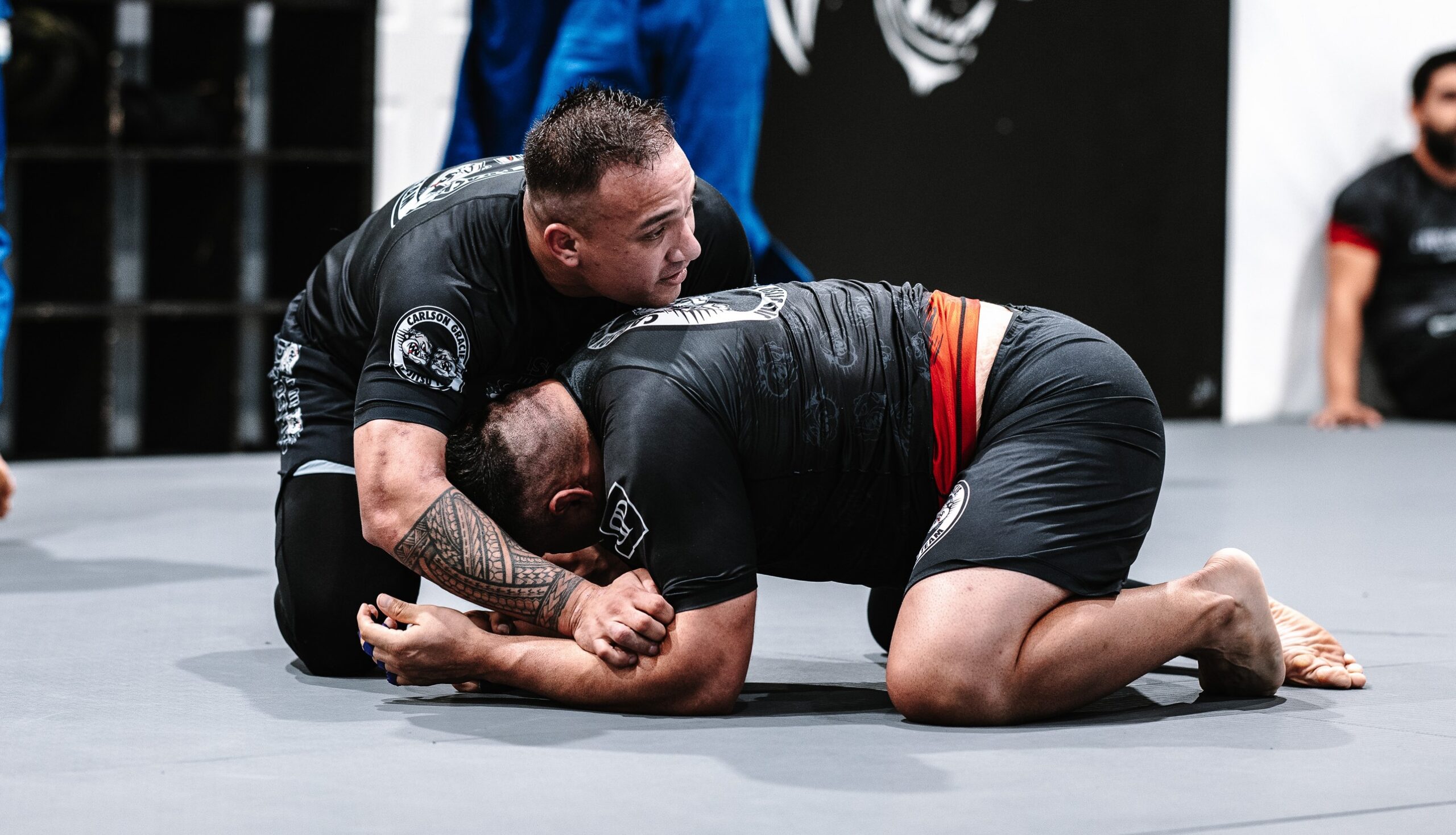
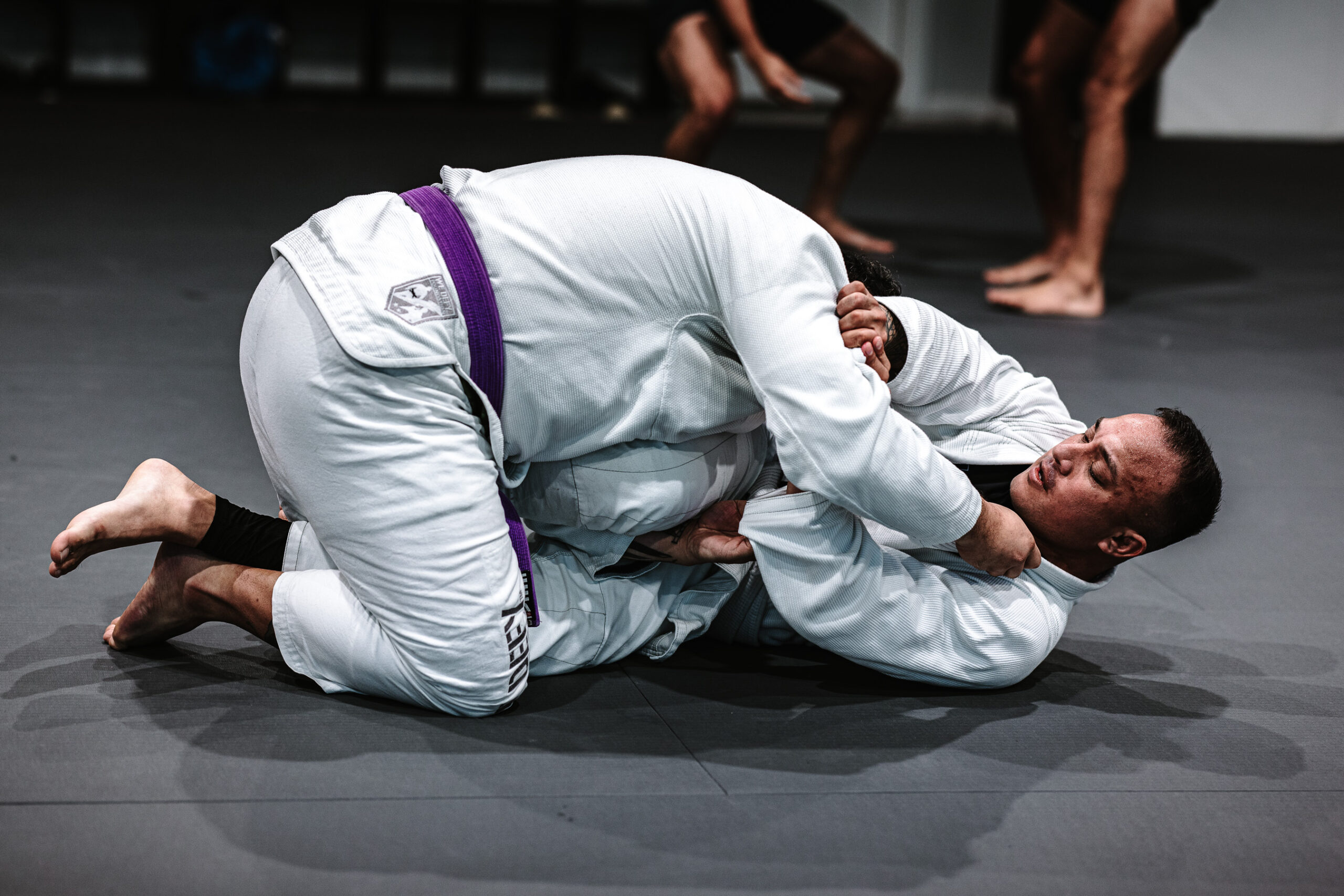
The near-side arm acts as your primary shield against an opponent attempting to collapse your upper torso. Keep your forearm wedged tightly across their hips or lower abdomen rather than reaching around their back.
Placing this forearm correctly prevents the top player from sliding into an invasive knee-on-belly attack. This foundational structure aligns directly with beginner mat survival strategies designed to conserve stamina while building safe habits on the ground.
Positioning the Cross-Face Defense
A heavy cross-face turns your neck away from the opponent, flattening your spine and eliminating your leverage. Protect your head line by sliding your far hand across your collarbone to form an impenetrable wedge.
Blocking their bicep with your palm prevents shoulder pressure from pinning your chin toward the ceiling. When your head can turn freely toward your partner, you preserve your ability to bridge and re-angle.
Controlling Hip Proximity and Distance
Top players generate crushing pressure by dropping their hips close to your center of gravity. You must maintain active contact with your feet on the mat to constantly adjust your hip angle.
Keeping your hips mobile allows you to apply basic leverage and ground mechanics without resorting to excessive arm strength. Small hip shifts create the critical space needed to re-insert your defensive knee.
Preventing the Head and Arm Control
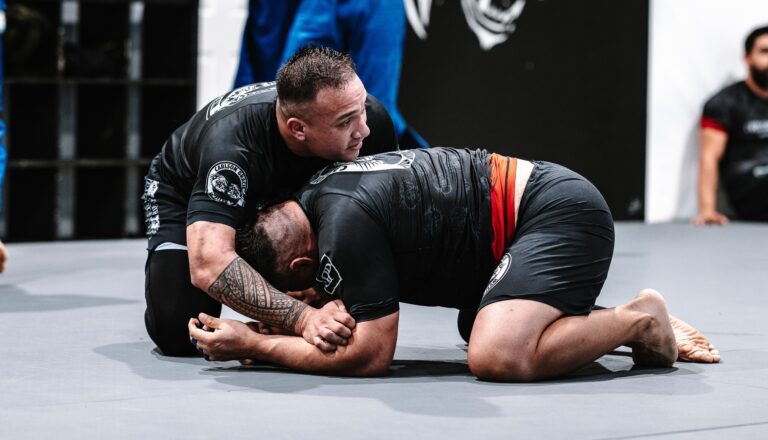
Never allow the top player to connect their hands in a tight gable grip around your neck and shoulder. Once their hands lock, your defensive options diminish rapidly while your breathing becomes restricted.
Keep your elbows glued tightly to your ribs, adopting a compact defensive posture commonly referred to as t-rex arms. Denying upper-body space makes it exceptionally difficult for anyone to prevent you from discovering how to escape side control in bjj through disciplined frames.
Proven Techniques on How to Escape Side Control in BJJ
Once your frames are firmly set, you can initiate proactive movements to return to an offensive or neutral position. Each escape technique targets a specific defensive opening based on how your opponent applies top pressure.
Executing the Hip Escape to Guard
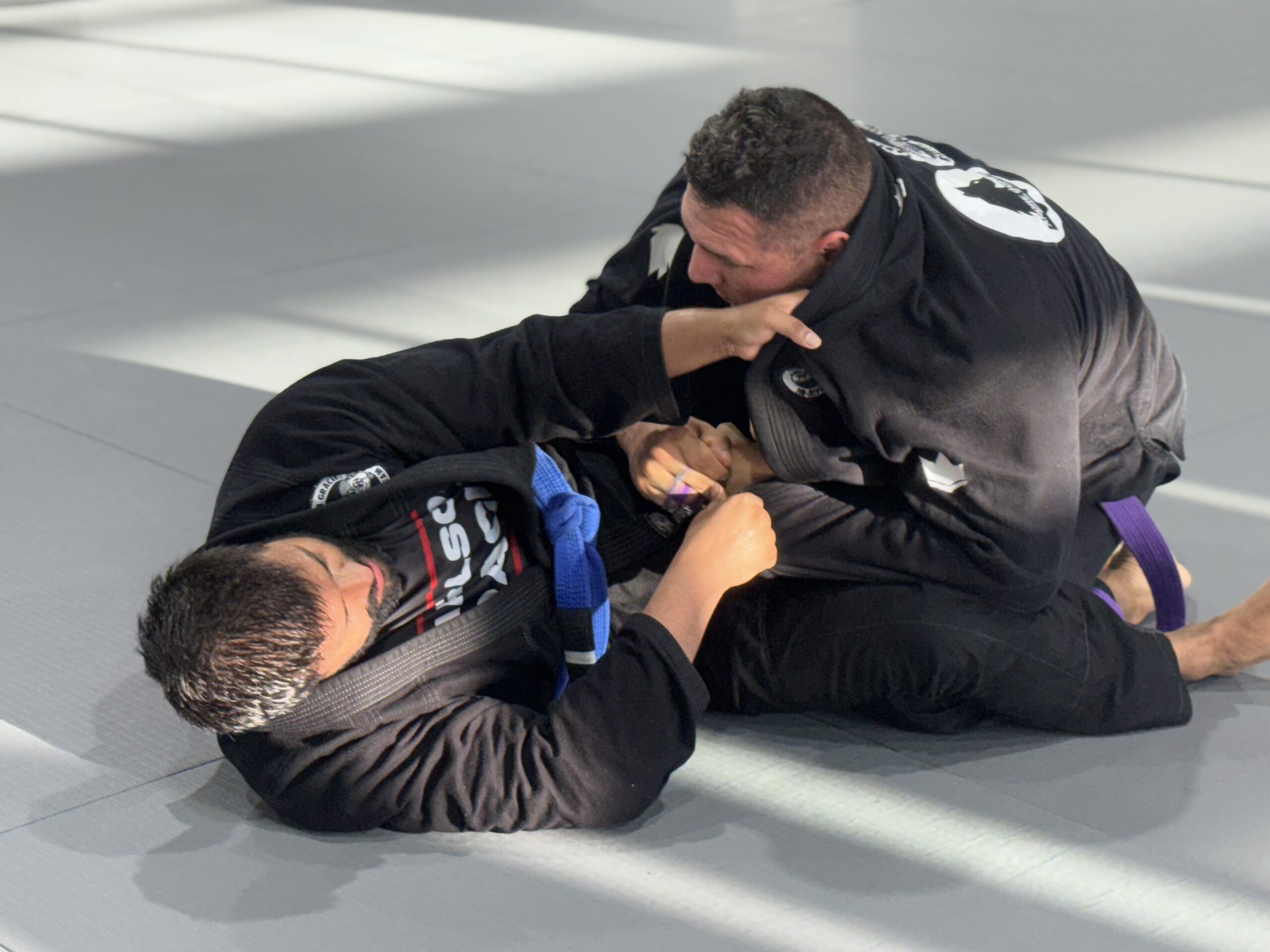
The elbow-escape remains the gold standard for returning to a safe guard position from bottom side control. Plant your outside foot, bridge your hips toward the partner, and immediately hip escape away to open space.
Drive your bottom knee diagonally across their belt line the instant separation occurs between your bodies. This dynamic recovery forms the cornerstone of practical self-defense positioning by neutralizing danger and re-establishing safe guard retention.
Transitioning into the Underhook Dogfight
When the top competitor commits their weight too far forward over your torso, an underhook opportunity emerges. Pummel your near-side arm through their armpit and drive onto your elbow in one unified movement.
Rise onto your knees into the classic dogfight position, clamping your head tight to their ribs to prevent headlocks. From here, you can execute a single-leg takedown or limp-arm toward their back.
Utilizing the Turtle Roll Transition
If heavy chest pressure prevents you from shrimping your hips back inside, turning away offers a viable escape. Frame against their far hip, tuck your chin tight, and rotate onto your knees into turtle.
Maintaining tight defensive elbows during this transition provides reliable protection against back takes. Staying disciplined while moving helps in maintaining mental composure when opponents intensify their physical pressure.
Troubleshooting Common Bottom Side Control Mistakes
Most failed escapes stem from predictable technical errors that grant the top player superior leverage and control. Recognizing and correcting these habits early will dramatically improve your defensive success rate across all sparring rounds.
Avoiding Flat Back Mat Alignment
Lying flat on your back distributes your weight over a broad surface area, making you easy to pin. It also paralyzes your hip mobility and leaves your neck vulnerable to heavy cross-face pressure.
Always stay turned slightly on your shoulder, angling your body toward your partner to keep your skeletal frames engaged. Turning onto your side dramatically reduces the surface area available for the top player to pin.
Stopping Ineffective Arm Pushes
Bench-pressing an opponent off your chest is a reflexive reaction that wastes tremendous energy and accomplishes nothing. Extending your arms leaves your elbows exposed to rapid armbars, keylocks, and Americanas from top.
Rely exclusively on geometric bone wedges rather than active muscular pushing to absorb and redirect heavy weight. Structural frames require minimal physical effort to sustain, conserving valuable stamina throughout demanding rounds.
Timing Your Dynamic Hip Bridge
Bridging repeatedly without establishing frames or an escape angle will exhaust your core and legs quickly. A bridge should never be treated as an isolated escape; it is simply a space-creating preparatory action.
Coordinate your bridge with an immediate hip slide backward, utilizing the brief moment of weight displacement. Combining an explosive bridge with a calculated shrimp creates the clearance necessary to insert your butterfly hooks.
Defensive Drilling and Mat Integration
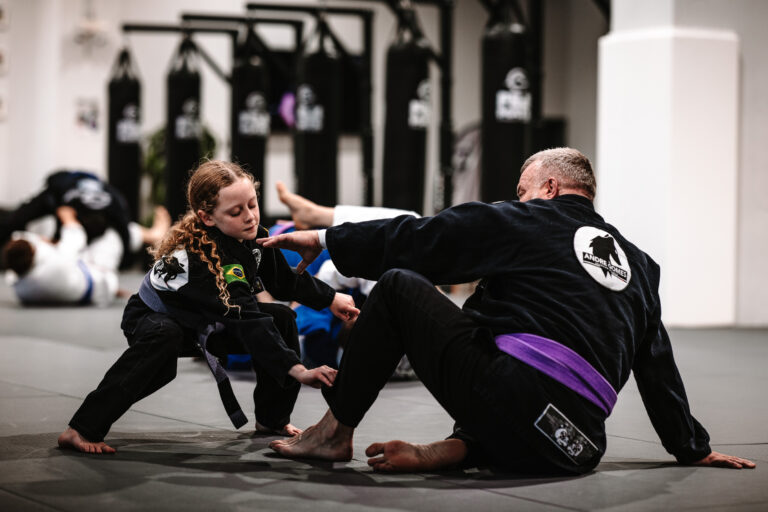
Technical escapes cannot be memorized through observation alone; they require deliberate positional sparring under controlled resistance. Begin by having training partners apply moderate body weight while you practice establishing near-side frames and wedging your knee.
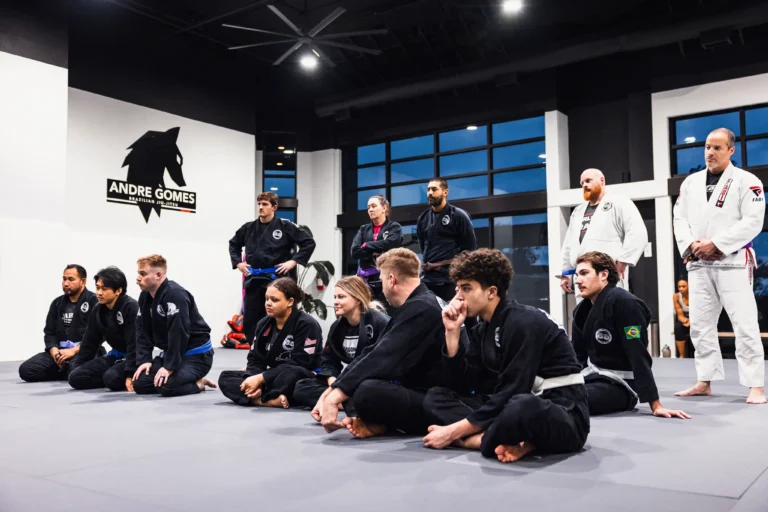
At Carlson Gracie Lewisville, structured situational drills ensure that every student refines their defensive instincts safely. Training within our dedicated community in Lewisville builds the technical confidence required to neutralize any intense top control.
Consolidating Your Defensive Repertoire
Building an impenetrable defense requires connecting frames, hip movements, and underhook transitions into a continuous system. When one escape path gets blocked by an alert partner, you should immediately redirect your energy toward the secondary opening.
Consistent drilling of how to escape side control in bjj develops the muscle memory needed for effortless transitions. Combining technical practice with functional physical conditioning ensures that your hips remain agile and explosive throughout intense rounds.
DISCOVER Carlson Gracie Lewisville
CLICK HEREMastering Bottom Escapes for Long-Term Progress
Ultimately, understanding how to escape side control in bjj transforms a desperate survival situation into a technical opportunity. When you trust your defensive frames, you roll with far less anxiety and much greater strategic freedom.
Whether you are beginning your martial arts path or refining existing mechanics, practicing bottom defense builds lasting resilience. Step onto the mats in Lewisville, Texas, to sharpen your defensive foundations alongside dedicated teammates at Carlson Gracie Lewisville.